Water quality is something most people do not think about until a problem becomes impossible to ignore, such as when you notice spots on your glasses after running the dishwasher or your skin feels dry and itchy after every shower. For residents and business owners in Tallahassee Florida and neighboring areas like Crawfordville, these issues might be more than just minor annoyances; they could be clear indicators that hard water is quietly affecting your daily life and potentially even your plumbing. While everyone's water situation is unique, understanding what hard water is, why it is pervasive in North Florida, and how water softeners can help truly empowers you to make smarter choices for your property and your health.
In the heart of the Sunshine State, many communities rely on groundwater sources which are generally safe, although often rich in dissolved minerals like calcium and magnesium. These minerals do not pose a direct health risk, but can leave a trail of evidence throughout your home, from buildup in appliances and fixtures to subtle changes in how your water feels and tastes. Over time, the effects of hard water can go beyond the cosmetic, leading to decreased appliance efficiency, higher energy costs, and even costly repairs to your plumbing systems. This is where water softeners step in, transforming stubborn hard water into a more manageable, user-friendly resource.
If you live or operate a business in Tallahassee or Crawfordville, being proactive about water quality does not just improve your comfort as it can also protect your investments. In this comprehensive guide, we will break down the seven most common warning signs that signal you might need a water softener, discuss the benefits and caveats of water softener installation, and touch on how making this change can impact your home or business in North Florida. Whether you are a homeowner tired of soap scum or a restaurant owner dealing with spotty glasses, understanding these signs can save you time, money, and a lot of hassle down the line.
Let's dive in and uncover whether a water softener could be the answer to your water woes!
Water Softener Needs in Tallahassee and Crawfordville Florida
The bustling state capital of Tallahassee and the more laid-back town of Crawfordville both share a common challenge with naturally hard water sourced from underground aquifers. The high mineral content is a direct result of water passing through limestone and other sedimentary rock, picking up calcium and magnesium ions along the way. Residents have noticed everything from white, chalky deposits on faucets to compromised performance in appliances like dishwashers, laundry machines, and coffee makers. For businesses and especially those in hospitality or food service, these issues can quickly add up, affecting customer experience and operational costs.
So what exactly is a water softener and how does it work? In short, a water softener is a device that removes excess minerals from your water supply, typically through a process called ion exchange. By swapping calcium and magnesium ions for sodium or potassium ions, the machine delivers softer water that leaves fewer residues, prolongs the life of your plumbing, and helps cleaners and soaps work more effectively.
But why does this matter so much in the Tallahassee area? Simply put, hard water is much more than a cosmetic nuisance. Over time, mineral deposits also known as scale can gum up your pipes, decrease your water heater's efficiency, and force appliances to work harder, leading to more frequent breakdowns and replacements. In humid Florida, where air conditioning and heating are already a part of daily life, keeping appliances running efficiently can make a big difference in your monthly utility bills.
Now that we have laid the groundwork, let's talk about the unmistakable signs that you may need a water softener in your home or business.
1. Persistent Spots and Streaks on Glassware
Do you find yourself scrubbing your glasses and dishes more than you would like, only to realize the spots never seem to go away? Those cloudy spots are a classic sign of mineral-rich water. When hard water is heated, calcium and magnesium come out of solution and form visible deposits, especially after water evaporates on surfaces like glasses, shower doors, or tiles. No matter how much high-end detergent you use, those stubborn spots will remain unless you address the source, namely the hardness in your water.
Homes and restaurants in Tallahassee and Crawfordville often struggle with this problem, especially when serving drinks in crystal-clear glasses is critical for customer satisfaction. Installing a water softener can dramatically reduce these unsightly stains, making routine cleaning much faster and less labor-intensive.
2. Soap and Detergent Inefficiency
Ever poured more soap or shampoo than usual, only to feel like you are not getting the lather you expect? That is no coincidence as hard water reacts with soaps and cleansers, forming a soap scum that refuses to rinse away cleanly. This means you and your family may need to use more product for the same level of cleaning, which adds up in both time and cost. When running a commercial kitchen or hotel, this effect can have a tangible impact on your costs.
A quality water softener installation allows soap to dissolve completely, creating a rich, satisfying lather that rinses away with ease. You will use less soap, enjoy quicker cleaning, and even help your skin and hair feel softer after every wash.
3. Scale Buildup in Appliances and Fixtures
If you have ever noticed a chalky, white residue around your faucets, showerheads, or inside your tea kettle, you are up close and personal with the residue left behind by hard water. This is known as scale and it is far more than just an eyesore. Over time, scale buildup can clog aerators, reduce water flow efficiency, and even damage sensitive appliances like water heaters, dishwashers, and boilers.
Replacing these parts or calling in a plumber for regular maintenance can get expensive. A properly sized and installed water softener can curb scale formation at its source, giving your appliances and plumbing a much longer, trouble-free life.
4. Dry Skin and Dull Hair After Bathing
One of the most personal impacts of hard water is how it changes the feel of your showers and baths. Many Tallahassee residents notice their skin feels tight, dry, or itchy, and their hair loses its shine and manageability. That is because hard water can leave behind a soapy film on your body, which clogs pores and strips away natural oils.
Switching to softened water through a dedicated system can make a world of difference, resulting in softer, smoother skin and more vibrant hair. For businesses like salons or spas, this can also mean happier clients and better reviews.
5. Fading Laundry and Stiff Towels
If your towels come out of the dryer feeling stiff and scratchy or your favorite clothes seem to fade prematurely, hard water could be to blame. The same minerals that cause soap scum on your fixtures also bind to fabric fibers, making clothing feel rough and colors look drab.
A water softener sees to it that clothes, linens, and towels are properly rinsed during each wash cycle, keeping them softer, brighter, and feeling like new for much longer.
6. Frequent Plumbing Repairs
Hidden behind your walls, hard water can quietly wreak havoc on copper and PVC pipes alike. Over time, mineral scale builds up on the interior surfaces of pipes, reducing water pressure and increasing stress on your entire plumbing system. When blockages develop, the risk for leaks or pipe bursts goes way up, a problem no homeowner or business wants to face.
Choosing professional water softener installation can help prevent these plumbing headaches before they start, preserving your infrastructure and reducing the frequency and cost of emergency repairs.
7. Rising Utility Bills
Have your energy bills been slowly creeping up, despite no obvious increase in usage? This is a stealthy sign of hard water problems. Scale buildup inside your water heater makes it harder for the system to heat water effectively. The appliance has to run longer and work harder, using more energy in the process and driving up your annual costs.
Homes and businesses in greater Tallahassee and Crawfordville benefit from water softeners that keep appliances running at peak efficiency. Not only does this save you money, but it also extends the life of expensive equipment.
Pros and Cons of Water Softener Installation
While the benefits of water softeners are clear, especially in hard water zones like Tallahassee and Crawfordville, it is important to weigh both the advantages and potential drawbacks before making a decision.
Pros:
- Improved Appliance Longevity: Prevents scale buildup and extends the functional life of water heaters, dishwashers, washing machines, and more.
- Enhanced Cleaning: Cleaner dishes, shinier glassware, and spotless surfaces with less effort.
- Better Personal Care: Softer skin and hair, plus longer-lasting clothes and linens.
- Lower Maintenance Costs: Fewer plumbing issues, reduced frequency of repairs, and less need for descaling products.
- Utility Savings: Enhanced efficiency for water heaters and appliances, ultimately cutting down energy bills.
- Increased Home Value: Modern water treatment is a desirable feature for buyers and tenants alike.
Potential Cons:
- Upfront Cost: Both the purchase and installation of a water softener are significant investments.
- Ongoing Maintenance: Salt-based systems require regular replenishment, and all systems need occasional servicing.
- Water Taste Change: Some individuals are sensitive to the subtle taste difference when sodium replaces calcium and magnesium ions.
- Environmental Concerns: Salt discharge from traditional softeners raises ecological concerns; however, many new systems offer salt-free or eco-friendly alternatives.
Before committing, consider a professional assessment of your current water supply, usage patterns, and specific needs, especially if you manage a property with unique demands, such as a hotel or medical office.
How Water Softener Installation Works in North Florida
Water softener installation is best left to a licensed plumber or water treatment specialist, especially in established homes or commercial buildings around Tallahassee and Crawfordville. The process typically includes:
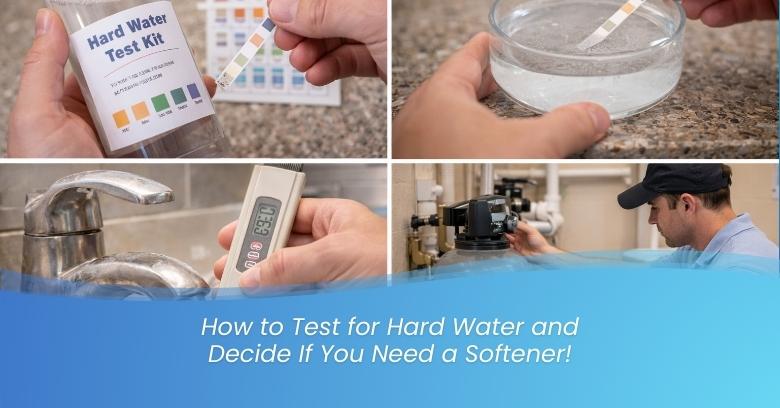
- Water Quality Assessment: Testing your tap or well water to determine its hardness and identify any additional contaminants or conditions that might impact your decision.
- System Sizing: Making sure your chosen softener can handle your daily water usage, whether for a compact home or a large business.
- Plumbing Integration: Installing the softener at the main water entry point so that all water, both hot and cold, is treated before distribution throughout the property.
- Setup and Calibration: Setting up regeneration cycles, adjusting salt dosage, and confirming that the system runs smoothly.
- Follow-Up Maintenance: Scheduling regular check-ins or salt refills to keep your softener running efficiently for years to come.
Many reliable contractors in Tallahassee and Crawfordville offer full-service solutions, including free initial consultations, ongoing maintenance contracts, and responsive emergency service.
Conclusion
Dealing with hard water is more than just a daily inconvenience as it can significantly impact your quality of life, your budget, and even your property's long-term value. If you recognize any of the seven warning signs discussed here, it is time to consider a water softener for your home or business, whether you are in bustling Tallahassee Florida or quieter Crawfordville. The transition is easier and more cost-effective than you might think, especially when you work with local professionals who know the intricacies of water softener installation in North Florida.
Ultimately, investing in a water softener is not just about solving today's problems; it is about future-proofing your home or business against ongoing maintenance headaches, rising energy costs, and declining water quality. Take control of your water and enjoy all the benefits of consistently soft, clean, and reliable water.
Ready to take the next step? Reach out to a trusted water softener installation specialist in your area and start enjoying the difference soft water makes!
Key Takeaways
- Hard water in Tallahassee and Crawfordville: Mineral-heavy aquifers make hard water common in these parts of Florida, making water softeners a smart investment for both homes and businesses. Understanding these issues early can save time, money, and energy.
- Top signs you need a water softener: Persistent glassware spots, weak soap performance, scale buildup, dry skin and hair, faded laundry, frequent plumbing repairs, and rising utility bills all signal hard water problems worth investigating.
- Benefits of installing a water softener: Cleaner dishes, softer skin, brighter laundry, and lower maintenance costs offer both immediate and long-term improvements for homes and commercial kitchens across North Florida.
- Considering the drawbacks: Upfront cost and ongoing maintenance exist, but long-term savings and improved water quality typically outweigh these concerns, especially in regions with known hard water.
- Importance of professional assessment: Experts can test your water hardness, recommend the right system, and provide proper plumbing integration, avoiding DIY mistakes and seeing to it that the job is done right.
- Maintaining your system: Routine salt refills and periodic servicing help your water softener run smoothly, prevent breakdowns, and maximize the lifespan of your investment.
- Added property value: Installing a softener can boost property appeal and value, especially for buyers or renters looking for modern water solutions in Tallahassee and Crawfordville.
- Business advantages: Softer water reduces equipment wear, lowers operating expenses, and improves customer experience, making water softeners especially beneficial for restaurants, hotels, and offices.
- Eco-friendly technology options: Modern systems are more efficient and environmentally friendly than ever, with salt-free and eco-focused options available depending on your preferences.
- Long-term protection: Addressing hard water now helps prevent future plumbing issues, emergency repairs, and unexpected energy costs, proving that proactive care is more affordable than reactive fixes.
FAQs
1. What is a water softener and how does it work?
A water softener is a filtration device that removes calcium and magnesium ions that are responsible for hard water via a process called ion exchange. The system replaces these minerals with sodium or potassium ions, resulting in softer water that protects plumbing and improves cleaning efficiency.
2. Why is hard water common in Tallahassee Florida and the surrounding areas?
Tallahassee and Crawfordville draw much of their water from underground aquifers rich in minerals, especially calcium and magnesium, resulting in harder water than in other regions.
3. What are the most noticeable symptoms of hard water in my home or business?
Common signs include white spots on glassware and fixtures, soap that will not lather easily, dry and itchy skin, dull or faded laundry, scale buildup in appliances, frequent plumbing problems, and higher household energy bills.
4. How can water softener installation benefit my appliances?
Installing a water softener reduces mineral buildup, extending the lifespan and improving the efficiency of appliances like dishwashers, washing machines, and water heaters.
5. Do water softeners require ongoing maintenance?
Yes, most water softeners need regular salt replenishment and periodic checkups to be certain valves, tanks, and resin beds function properly. Some systems may require less frequent attention.
6. Is it safe to drink softened water?
Softened water is generally safe for most people; however, those on low-sodium diets may wish to consult with a healthcare provider or consider salt-free water conditioners, which are also available in Tallahassee and Crawfordville.
7. How long does water softener installation typically take?
Professional installation usually takes a few hours, though larger commercial setups may take longer depending on system complexity and plumbing accessibility.
8. Can water softeners impact the environment?
Traditional salt-based softeners discharge sodium-rich water, which can have environmental consequences. Many modern systems including salt-free and eco-friendly models are now offered to minimize this impact.
9. Will installing a water softener increase my home's value?
Yes, homes and businesses in hard-water regions like North Florida see increased appeal and value when modern water solutions are in place, as buyers know they will not need to address hard-water issues themselves.
10. What should I look for in a local water softener installation contractor?
Seek out licensed, experienced professionals in Tallahassee or Crawfordville who provide comprehensive water testing, clear estimates, and reliable maintenance services. Local expertise offers a system is tailored to your region's unique water conditions.