Hard water is a common issue that affects homes and businesses throughout the United States. If you live in places like Tallahassee Florida or nearby Crawfordville, you might have noticed signs of hard water in your daily life, like cloudy spots on glasses, soap that refuses to lather, or even unusual buildup in your plumbing fixtures. With municipal and well water sources alike, water quality varies and can shift over time due to a range of natural and infrastructural factors. As a result, knowing how to test for hard water and understanding when you might need a water softener becomes crucial for any household looking to maintain water quality, protect plumbing, and extend the lifespan of appliances.
Hard water is characterized by high concentrations of minerals, especially calcium and magnesium, in the water supply. These minerals are not hazardous to health, but they wreak havoc on plumbing systems, water heaters, dishwashers, and laundry machines. Over time, scale buildup reduces efficiency and can lead to costly repairs or replacements. Even daily routines are affected: hair feels less clean, towels may stiffen, and laundry can dull prematurely.
In Tallahassee and Crawfordville, many residents rely on municipal water supplies, but a significant number also use private wells. Both sources can be prone to hard water, depending on the local geology and underground aquifers. Florida’s limestone-rich soil, for example, often contributes to elevated mineral content in groundwater. Because water hardness levels can fluctuate, it is important not just to test your water once, but to make periodic checks part of your home maintenance routine.
So how do you know if your home’s water is hard and what is the best way to address the issue? This comprehensive guide will walk you through everything you need to know: simple methods for testing for hard water, how to interpret the results, and how to decide whether a water softener and professional water softener installation makes sense for your Tallahassee or Crawfordville home. We will discuss the pros and cons of water softeners, explore sector impacts, provide actionable steps, and answer the most frequently asked questions homeowners have about this topic. By the end, you will feel empowered to tackle water hardness head-on and make an informed decision that benefits your household and your wallet.
How to Test for Hard Water
Understanding if you have hard water begins with a few simple tests, some you can do yourself and others are best left to professionals.
1. The Soap Test: A Quick At-Home Indicator
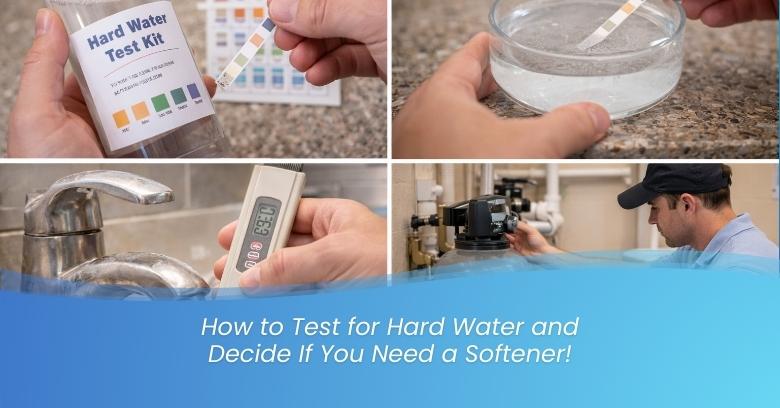
One of the easiest ways to get a quick sense of your water’s hardness is the classic soap test. Fill a clean, clear, and empty bottle like a water bottle one-third full of tap water. Add 8–10 drops of pure liquid soap not detergent or combination products, then shake the bottle vigorously for a few seconds. If your water is soft, you should see a bubbly, frothy surface, and the water remains clear. If your water is hard, the bubbles will be minimal, and the water may appear cloudy or milky. While this test is not scientific, it is a helpful first step, especially for anyone in Tallahassee Florida or Crawfordville who suspects mineral buildup but wants a fast at-home check.
2. Test Strips and Hardness Kits
For a more accurate measurement, home test strips or liquid water hardness test kits are widely available at hardware stores or online. These strips work by dipping them in a sample of your tap water, waiting for a short period typically under a minute, and comparing the resulting color to the guide included with the kit. Most strips measure water hardness in grains per gallon (gpg) or milligrams per liter (mg/L). Generally, water is considered hard if it measures above seven gpg or 120 mg/L.
Investing in a test kit is a smart move, particularly in Tallahassee and Crawfordville, where water hardness can fluctuate due to seasonal rainfall or shifts in municipal treatment procedures. By retesting periodically, you can monitor for changes and assess the effectiveness of current water treatment solutions, such as existing water softeners.
3. Laboratory Water Analysis
For those seeking the most precise results or if you are on a private well and concerned about other contaminants, a laboratory water analysis offered by local water treatment companies or state-certified labs can provide a full profile. This analysis reports levels of calcium, magnesium, iron, and even potential contaminants. A professional assessment is especially valuable before deciding on a water softener installation, so that you select the right capacity and technology for your needs.
4. Signs of Hard Water in Daily Life
Besides testing, you can watch for everyday indicators of water hardness:
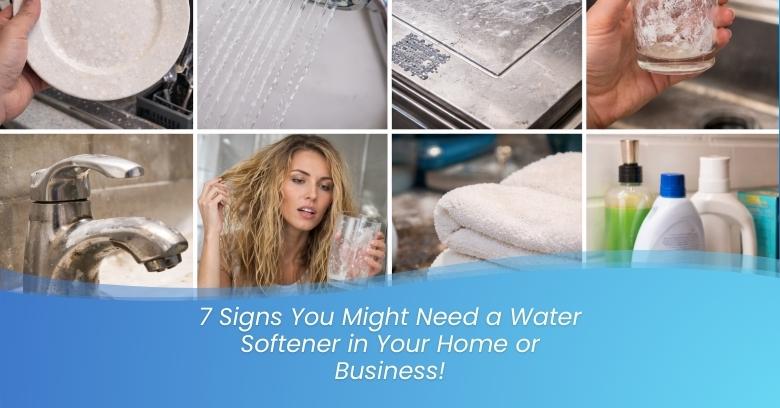
- Spotty or cloudy glassware after dishwasher cycles
- Soap scum in showers, bathtubs, and sinks
- Dry, itchy skin or lifeless hair after bathing
- Scale buildup on faucets and in kettles
- Laundry that feels stiff, even after washing
If these symptoms are familiar, your home might be a candidate for water softening solutions.
How to Decide If You Need a Water Softener
Determining whether to invest in a water softener depends on the severity of your water hardness, household needs, and your personal preferences.
Pros of Water Softeners
- Scale prevention: The primary benefit, especially critical for residents of Tallahassee and Crawfordville Florida is the prevention of scale buildup. Soft water protects pipes, provides efficient operation of water heaters, and reduces the risk of costly plumbing repairs.
- Extended appliance serviceable life: Washing machines, dishwashers, and water heaters last longer and need less maintenance.
- Improved cleaning: Dishes and clothes come out cleaner and you will need less detergent and soap.
- Better bathing experience: Softer water can make hair shinier and skin less dry.
- Reduced energy bills: Scale buildup in pipes and heaters raises energy use. Preventing it keeps systems efficient.
Cons of Water Softeners
- Upfront cost: Water softener installation involves an initial investment for equipment and setup.
- Ongoing maintenance: Traditional salt-based softeners require regular salt refills and occasional servicing.
- Environmental considerations: Salt discharge into wastewater systems can be an ecological concern in some regions.
- Water usage: Some systems periodically flush themselves, increasing overall water use.
Water Softener Installation Considerations
If tests indicate your water hardness is above seven gpg, a water softener can make a substantial difference in water quality and system longevity. When considering installation, it is important to evaluate:
- System size: Match softener capacity to household usage, measured in gallons per day.
- Technology: While salt-based systems are most common, salt-free alternatives such as conditioners or electronic descalers are becoming more popular, especially in regions with stricter environmental regulations.
- Professional vs. DIY: Hiring a reliable water softener installation professional in Tallahassee or Crawfordville makes sure your system is set up safely, efficiently, and in compliance with local codes.
- Maintenance support: Choose installers who offer ongoing support, regular checkups, and prompt service.
Sector Impacts: Tallahassee and Crawfordville
In Tallahassee and Crawfordville Florida, water hardness varies by water source and time of year. Municipal supplies may trend softer than well water, but residents frequently report high mineral content. Local plumbers and water softener installation companies are familiar with these fluctuations, so they often tailor recommendations to regional geology and water use patterns.
Furthermore, water hardness is not just a residential concern. Restaurants, hotels, and medical facilities depend on soft water for cleanliness, appliance performance, and customer satisfaction. Businesses investing in commercial-grade water softeners often see returns in lower maintenance costs and improved guest experiences.
Alternatives and Supplements to Water Softeners
While water softeners are the gold standard for tackling hardness, some Tallahassee and Crawfordville residents look for alternatives. For example, reverse osmosis systems can address both hardness and contaminants, but only for drinking water needs. Magnetic and electronic water conditioners claim to reduce scaling, though scientific consensus on their effectiveness varies. Often, the best solution is a combination, such as a whole-house softener and a reverse osmosis unit for kitchen tap water.
Making the Decision
After testing, consult local water softener experts to compare options and get quotes. Ask about warranties, maintenance agreements, and ongoing operating costs. Remember, your investment pays off in long-term savings on appliances, lower utility bills, and improved daily comfort.
Conclusion
Hard water can be more than just a minor annoyance, it compromises the performance of plumbing systems, kitchen appliances, and cleaning routines. In regions like Tallahassee and Crawfordville Florida, where mineral-rich soils contribute to naturally hard water, it is essential to stay proactive about water quality. Testing for hard water is a straightforward process: from simple soap tests to advanced laboratory analysis, you have several reliable methods to gauge your water’s mineral content.
Once you know where your household stands, balancing the pros and cons of water softeners becomes the next logical step. While there is an investment involved both in the initial installation and ongoing maintenance, the long-term benefits of protection for your appliances, cleaner laundry, and improved skin and hair feel can be substantial. Partnering with a reliable water softener installation professional in Tallahassee or Crawfordville means your system meets local needs and regulations, paving the way for hassle-free water use for years to come.
Do not let hard water hold you back from enjoying clean, efficient, and comfortable living. Take the time to test your water, weigh your options, and consider the peace of mind that a well-chosen water softener can deliver. If you are ready to invest in your home’s future, reach out to local experts and schedule your water analysis or installation consultation today!
Key Takeaways
- Test Regularly to Stay Informed: Do not assume your water remains the same as periodic testing, whether by simple DIY methods or via professional labs, helps you detect changes and respond before problems worsen.
- Know Your Water Sources: Both municipal and well water in Tallahassee and Crawfordville can exhibit hardness issues. Understanding your specific source is key to choosing the right water softening solution.
- Look for Home Clues: Watch for common hard-water signs such as soap scum, scale buildup, and laundry issues that indicate your water contains high mineral concentrations.
- DIY or Professional Testing: Use soap tests or test strips for quick assessments, but consider laboratory testing if you are on a private well or want thorough results, especially prior to installation.
- Weigh the Benefits of Water Softeners: Water softeners protect pipes and appliances, improve cleaning, and reduce energy costs. These long-term savings often outweigh the initial setup and maintenance expenses.
- Consider Installation Factors: Match system size to your household’s water usage, and evaluate salt-based and salt-free systems to determine what best fits your budget, environmental priorities, and lifestyle.
- Work with Local Experts: A professional water softener installation in Tallahassee or Crawfordville makes sure that local regulations are followed and that ongoing support is available.
- Understand Maintenance Requirements: Regular salt refills, checkups, and occasional system servicing keep your water softener working its best. Choose a model and installer that offer convenient support.
- Explore Alternatives: In addition to water softeners, consider supplemental solutions such as reverse osmosis for specialized needs, particularly for drinking water or for added contaminant control.
- Act Now for Lasting Benefits: Hard water problems only worsen with time. By testing and addressing your water hardness today, you secure long-term comfort, efficiency, and peace of mind for your household.
FAQs
1. What is hard water and why is it a problem in Tallahassee Florida?
Hard water contains high levels of calcium and magnesium, which can cause scaling in pipes and damage appliances. In Tallahassee, the natural limestone-rich soil often leads to elevated hardness in both municipal and well water supplies.
2. How do I know if I need a water softener?
Look for signs such as soap not lathering well, visible scale on faucets, poor laundry performance, and dry skin or hair. Testing your water with strips or a lab analysis will confirm if softness is required.
3. Is water softener installation complicated?
While some people attempt DIY installation, hiring a professional in Tallahassee or Crawfordville provides proper setup, optimal performance, and adherence to local plumbing codes.
4. How often should I test my water for hardness?
It is recommended to test at least annually or more frequently if you notice changes in water quality or after plumbing repairs and system flushes.
5. What are the benefits of soft water for my household appliances?
Soft water extends the serviceable life of water heaters, washing machines, and dishwashers by preventing scale buildup and improving efficiency, leading to lower maintenance and energy costs.
6. Are there salt-free water softeners and how do they work?
Yes, salt-free options like electronic conditioners and template-assisted crystallization or TAC units exist. These systems do not remove minerals but prevent them from sticking to surfaces, reducing scale formation.
7. Does installing a water softener improve the taste of drinking water?
Most people notice an improvement in the water’s feel and taste. For the best drinking water, a reverse osmosis filter can be paired with a softener for added purification.
8. What maintenance is involved with a typical water softener?
Regularly refill salt, clean brine tanks, and have the system checked annually by professionals, especially if you are in Tallahassee or Crawfordville.
9. Will a water softener raise my utility bills?
Soft water can lower energy bills by improving heater efficiency, though the system uses some electricity and water. The long-term savings usually offset these minor increases.
10. Who should I call for water softener installation in Tallahassee or Crawfordville?
Reach out to licensed local plumbers or water treatment specialists. They can test your water, recommend appropriate models, and see to a smooth installation with ongoing support.