Water is something we often take for granted; it flows from our taps, ready for cooking, cleaning, and drinking. But have you ever thought about what is actually in your water? If you have ever noticed scale buildup on your faucets or spots on your dishes, chances are you are familiar with the effects of hard water. Across the Tallahassee Florida area and extending into Crawfordville, residents encounter hard water issues that affect their homes and lives more than they realize. Hard water, brimming with minerals like calcium and magnesium, makes everyday tasks more challenging, wears down appliances, fades laundry, and even affects skin and hair health.
So how do you solve this? That is where water softeners step in, using clever science to transform mineral-rich hard water into the soft, manageable water that protects your home and brings sparkle back to your routines. But water softening is not just about convenience. There is a fascinating chemistry at play, involving ion exchange, regeneration cycles, and careful installation practices, all designed to safeguard plumbing and improve water quality in homes from Tallahassee all the way to the quieter neighborhoods of Crawfordville.
Understanding the how and why of water softening is key if you are considering investing in water softener installation. This article will demystify the science behind water softening systems, explain their tangible benefits, and guide you through the installation process. We will also look at how these systems affect homeowners in North Florida's unique climate and water conditions, helping you make informed decisions to protect your home and family.
From the basic chemistry to the practical advantages, read on for everything you need to know about water softeners, tailored for anyone living in or around Tallahassee Florida and nearby Crawfordville. Whether you are a first-time homeowner weighing the benefits or an experienced pro looking to upgrade your system, this guide is packed with actionable insights to transform your water for the better.
The Science Behind Water Softeners
Hard water may not seem like a big issue at first glance, but its impact can be widespread and costly. So what makes water "hard?" It all comes down to dissolved minerals, mainly calcium and magnesium, that water picks up as it moves through soil and rock. When hard water flows through household pipes and appliances, the minerals can precipitate, leading to scale buildup, reduced efficiency, and a shortened serviceable life for your plumbing and appliances.
What Is a Water Softener?
A water softener is an appliance designed to remove hardness-causing minerals from your water supply. The most common residential models use a process known as ion exchange. Here is how it works:
- Ion Exchange Process: Hard water enters the softener tank, which is filled with resin beads charged with sodium ions.
- Mineral Swap: As water passes through, calcium and magnesium ions bind to the beads, releasing the sodium ions back into the water.
- Softened Water Output: The water exiting the tank contains sodium ions rather than harsher minerals, making it “soft.”
- Regeneration Cycle: Over time, the resin beads become saturated with calcium and magnesium. The system draws a brine solution or saltwater from a separate tank to flush the beads, swapping back in sodium ions, and preparing the softener for another cycle.
This entire process is mostly automated, with periodic regeneration to keep your water softener running efficiently.
Impact on Household Water Quality
In regions like Tallahassee and Crawfordville, residents often face moderate to high levels of hard water. The presence of untreated hard water can quickly become evident through spotty dishes, scratchy laundry, limescale buildup on appliances, and plumbing blockages. By installing a water softener, you essentially protect your entire plumbing system, extending the serviceable life and efficiency of everything from water heaters to dishwashers.
Soft water also offers personal benefits. Without the soap-scumming effect of calcium and magnesium, your shampoos lather better, your skin feels smoother, and your clothes come out softer after each wash.
The Importance of Proper Water Softener Installation
Investing in water softening is only half the battle; installing your system correctly is crucial for optimal operation. Water softener installation entails more than simply connecting pipes. It is about sizing the system to your household's needs, locating it near the main water line, and setting regeneration cycles appropriate for your water usage and hardness levels.
In Tallahassee Florida where groundwater has distinct mineral content, professionals can analyze your water and recommend the ideal softener capacity and installation setup. The same holds for Crawfordville, where well water is especially common and may have different hardness characteristics. Proper installation yields efficient performance while preventing potential leaks, pressure drops, or system failures.
Types of Water Softeners
When considering water softening, it helps to know your options:
- Salt-based ion exchange systems: The classic system described above is effective for most residential needs.
- Salt-free water conditioners: These systems do not truly soften water; instead, they use template-assisted crystallization or TAC to prevent scale without removing minerals.
- Dual-tank systems: Ideal for larger households, these feature two resin tanks to provide continuous soft water, even during regeneration.
- Magnetic/Electronic Descalers: These offer an alternative solution that aims to change mineral characteristics to prevent scale, though effectiveness can vary.
Choosing the right type depends on your water hardness, household size, and local regulations. A professional in Tallahassee or Crawfordville can guide you toward a system that fits both your water profile and budget.
Environmental Considerations
Salt-based ion exchange softeners are the most common but require routine salt replacement and generate brine waste, raising environmental questions. In some areas, local codes or ecological concerns may favor salt-free alternatives. If you are in North Florida, it is worth checking with local suppliers about disposal practices and alternative technologies.
Maintenance and Care
Water softeners are not "set and forget" appliances. Regular maintenance is essential for peak performance:
- Salt replenishment: Keep the brine tank topped up.
- Cleaning: Prevent salt bridges or mushing that could block regeneration.
- Annual servicing: Have professionals inspect for resin degradation or leaks.
- Monitor water softness: Test your water regularly to be certain the system is effective.
In Tallahassee and Crawfordville where heat and humidity can affect outdoor systems, consider weather-protected installation or regular checks during warmer months.
Pros, Cons, and Applications
Benefits of Water Softeners
- Appliance Protection: By eliminating scale, you prolong the serviceable life of water heaters, washing machines, coffee makers, and dishwashers.
- Improved Efficiency: Appliances and plumbing systems run better, saving on energy costs and repair bills.
- Enhanced Cleaning Performance: Soaps and detergents work more effectively, reducing usage and residue.
- Personal Comfort: Soft water feels better on the skin and leaves hair silky.
- Lower Maintenance Costs: Reduced pipe blockages and leaks.
Drawbacks and Considerations
- Initial Investment: While the benefits are clear, a quality water softener and professional installation can be a significant upfront expense.
- Salt and Maintenance: Ongoing costs include purchasing salt and periodic maintenance.
- Environmental Impact: Brine discharge may not be eco-friendly in every region; local guidelines may influence your choices.
- Sodium in Water: Ion exchange softeners increase sodium content, which may be a concern for homeowners on low-sodium diets, although the increase is generally minimal.
Where Water Softeners Are Most Impactful
- Homes with hard water: Particularly in areas like Tallahassee and Crawfordville, with moderate to high mineral content.
- Households using well water: Well water is more likely to be hard, making a water softener a practical necessity.
- Families with plumbing issues: If pipes clog or corrode due to mineral deposits, water softening offers clear preventative value.
- Owners of expensive appliances: Protect your investment with consistently soft water.
Water Softener Installation in Tallahassee and Crawfordville
If you are ready to install a water softener, choosing an experienced provider makes all the difference. Professionals in Tallahassee and Crawfordville understand local water tests, permitting requirements, and the unique challenges of Florida's groundwater. They will start with a water analysis to determine the exact hardness, then recommend the right-sized unit and installation spot, typically near the main water line for whole-house coverage.
Reliable installation means:
- Connecting to both water supply and electrical power if needed
- Setting up proper drain lines for brine discharge
- Optimizing the system for your family's peak water usage
- Educating homeowners on ongoing maintenance
While some DIYers attempt water softener installation, hiring a professional makes certain that your system is up to code and performs efficiently from day one, critical in North Florida's humid conditions and mineral-rich water.
Conclusion
The journey from hard to soft water is rooted in science but pays off in everyday comfort, savings, and better home care. Understanding how water softeners work, especially the intricacies of ion exchange, regeneration, and system sizing, arms you with the knowledge you need to protect your home. For residents of Tallahassee Florida and surrounding areas such as Crawfordville, investing in a high-quality water softener and professional installation is a proactive step toward reducing household maintenance, extending appliance longevity, and improving daily routines.
If you are ready to experience the difference soft water can make, start with a water test and consult local water softener installation experts who understand the unique characteristics of North Florida's water. The right system, installed correctly, delivers long-term value, bringing peace of mind with every glass of clear, mineral-free water!
Key Takeaways
- Hard Water is Common in North Florida: Tallahassee and Crawfordville homes often face hard water due to the local groundwater's high mineral content, making water softeners especially valuable in these regions.
- Science Makes the Difference: Water softeners use an ion-exchange process to replace calcium and magnesium ions with sodium, effectively transforming hard water into soft water that is gentler on homes and people alike.
- Installation Matters: Proper water softener installation by local professionals provides optimal performance and extends the system's serviceable life. It involves more than hooking up pipes as it is about matching system size, setting regeneration cycles, and enjoying reliable water flow throughout your home.
- Protects Plumbing and Appliances: Installing a water softener helps prevent scale buildup, reduces maintenance costs, and extends the serviceable life of water heaters, washing machines, dishwashers, and plumbing, offering tangible long-term savings.
- Personal Benefits: With softened water, you will notice softer skin, shinier hair, better lathering soap, and clothes that look and feel better after each wash.
- Minimal Ongoing Maintenance: Regularly checking salt levels, cleaning the brine tank, and scheduling annual checks are key to keeping your system in top shape, simple steps for years of soft water.
- Eco-Friendly Selection: Concerned about salt and brine discharge? Salt-free conditioners prevent scale without using salt, making them a good choice where environmental impact or local regulations are important.
- Customization is Key: Every home is unique. Water hardness varies neighborhood by neighborhood, even street by street, so tailor your water softener system for results that best suit your family's needs.
- Health Impact is Minor: The slight increase in sodium from softeners is generally safe, but worth checking if you are on a sodium-restricted diet.
- Professional Advice Pays Off: Working with Tallahassee or Crawfordville professionals means you get a system that meets local codes, fits your water needs, and delivers the peace of mind only soft water can.
FAQs
1. What is hard water and why should I care in Tallahassee Florida?
Hard water is water high in minerals, such as calcium and magnesium. In Tallahassee Florida, many homes draw from sources rich in these minerals, which can cause scale buildup and reduce appliance efficiency, making water softening valuable.
2. How does a water softener actually work?
A water softener uses a process called ion exchange to remove calcium and magnesium, replacing them with sodium ions. This transformation prevents mineral deposits and makes cleaning easier.
3. Is water softener installation complicated?
While some may attempt DIY installation, a professional water softener installation provides proper sizing, placement, and compliance with local plumbing codes, which is especially important in areas like Tallahassee and Crawfordville.
4. Will a water softener affect the taste of my water?
Most people will not notice a taste change; however, some may perceive the water as slightly saltier due to increased sodium. The effect is generally mild and harmless.
5. How often do I need to maintain my water softener?
Routine maintenance includes monthly salt-level checks, yearly cleaning of the brine tank, and annual professional service to ensure longevity.
6. Are water softeners environmentally friendly?
Salt-based softeners discharge brine, which can impact the environment. Salt-free units or alternative technologies are available in Tallahassee and Crawfordville for those who prioritize sustainability.
7. Can water softeners help with well water in Tallahassee and Crawfordville Florida?
Absolutely. Well water in North Florida is often hard, making a good-quality water softener and expert installation a wise investment for consistent, soft water.
8. Will softened water help my appliances last longer?
Yes. Softened water prevents scale buildup, allowing water heaters, dishwashers, and washing machines to operate more efficiently and with fewer repairs.
9. How do I know if my home needs a water softener?
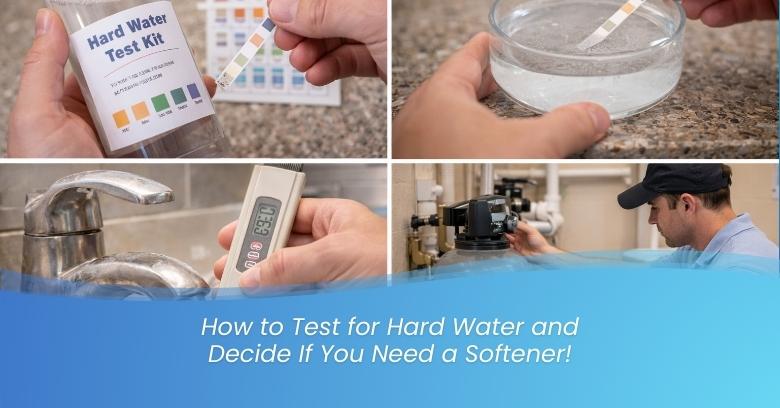
Look for signs like scale on faucets, spots on dishes, faded laundry, or if soap does not lather well. Local water testing in Tallahassee or Crawfordville can confirm water hardness levels.
10. Who should I call for water softener installation in Tallahassee or Crawfordville Florida?
Seek out reliable, licensed plumbers or water treatment specialists with local experience. They will tailor the system to your home so that everything is installed to code for reliable performance.